

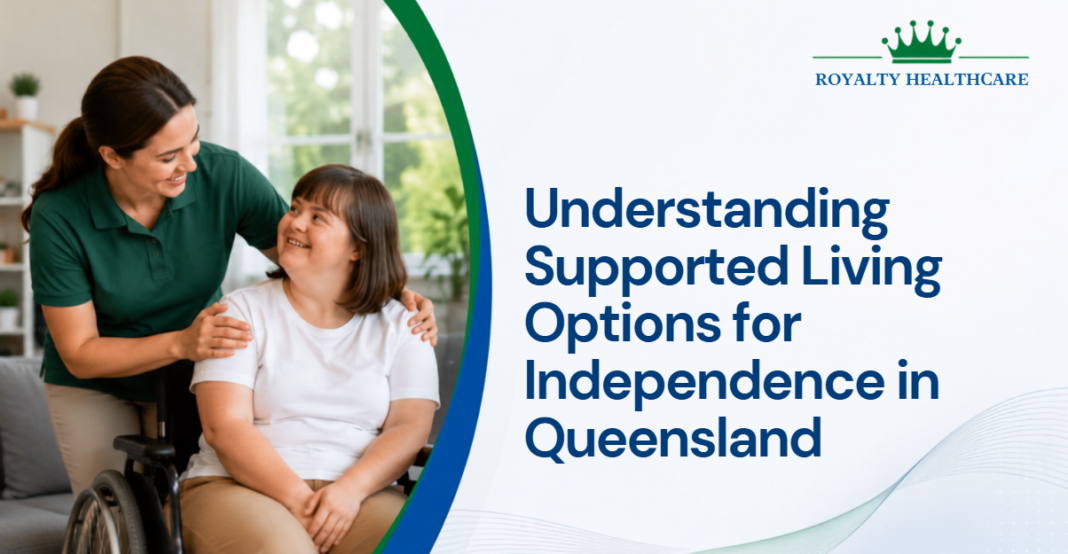

For many people living with disability, the dream is simple but profound: a home of their own, the freedom to make daily choices, and the right support to live life on their own terms. Supported Independent Living makes that dream achievable for thousands of participants across the country. But understanding how it works, who it suits, and how to choose the right arrangement can feel overwhelming. This guide breaks down what supported living involves, what to look for, and how the right support helps people build genuinely independent lives.
What Supported Independent Living Actually Means
Supported Independent Living, often shortened to SIL, is a type of funded support that helps people with disability live as independently as possible in a shared or individual home. It covers the daily assistance a person needs to manage everyday life, things like personal care, cooking, cleaning, medication support, and building the routines that make a household run smoothly. Crucially, it’s not about doing everything for someone; it’s about providing just the right level of help so the person can do as much as they can for themselves.
The philosophy behind supported living is empowerment. Rather than an institutional model where life revolves around the service, a good arrangement builds support around the individual, their routines, their preferences, and their goals. Some participants share a home with others and benefit from around-the-clock staffing, while others live alone with support that flexes to their needs. The common thread is that the person retains genuine choice and control over how they live.
For families, supported living can bring enormous peace of mind. Knowing a loved one is safe, well cared for, and steadily growing more independent relieves a burden that many carers have shouldered for years. Done well, it transforms not just the participant’s life but the whole family’s sense of security and hope for the future.
Who Benefits from Supported Living
Supported living suits a wide range of people, but it’s particularly valuable for those who need consistent daily assistance to live safely and comfortably. This might include people with higher support needs who require help throughout the day and night, as well as those developing the skills to move toward greater independence over time.
Across the disability sector in NDIS Brisbane and the surrounding regions, supported living has become a cornerstone option for participants ready to move out of the family home, transition from hospital or care settings, or simply gain more autonomy than their current living situation allows. It offers a middle path between full independence and intensive care: a supported environment where people can grow at their own pace while staying safe and connected.
It’s worth remembering that supported living isn’t one-size-fits-all. The amount and type of support funded depends on an individual’s assessed needs and their NDIS plan. Some people need 24/7 staffing; others need help only at certain times of day. A quality provider works within a participant’s plan to design an arrangement that fits the person precisely, rather than forcing them into a predetermined model.
What to Look for in a Supported Living Provider
Choosing who delivers your supported living is a decision that shapes daily life, so it deserves careful thought. The right organisation makes a home feel safe, warm, and genuinely yours; the wrong one can make it feel clinical or unsettled. Weigh these factors when comparing your options:
- Proper registration and compliance.Confirm the organisation is registered with the NDIS Quality and Safeguards Commission, with staff who hold current Worker Screening Checks. Registration means independent auditing against the Practice Standards and protects both your safety and your funding.
- Consistency of staff.Ask how the organisation manages rostering and staff retention. Familiar, consistent support workers build trust and understand a person’s needs deeply, whereas high turnover disrupts routines and undermines wellbeing.
- A person-centred philosophy.The home and the support should be built around the participant’s goals and preferences. Ask how much say the person has in their daily routine, their housemates, and how support is delivered day to day.
- Skilled, well-trained teams.Look for staff trained in areas relevant to the person’s needs: trauma-informed care, complex care, medication, and manual handling. Skilled teams deliver safer, higher-quality support and respond well when circumstances change.
- Quality of the homes themselves.Safe, accessible, comfortable housing matters enormously. Visit if you can, and check that the environment genuinely suits the participant’s mobility, sensory, and lifestyle needs.
- Transparency and communication.A trustworthy provider is upfront about what’s included, how concerns are handled, and how progress is shared with the participant and their family. Clear, honest communication is the foundation of a good long-term relationship.
The Advantage of Choosing a Local Provider
There’s real value in selecting an organisation deeply connected to the community it serves. A dedicated SIL provider Brisbane participants trust brings local knowledge that improves the everyday experience of supported living. Local teams understand the neighbourhoods, transport options, healthcare services, and recreational opportunities that help a participant feel settled and connected to the world around them.
Local presence also means responsiveness. When a provider operates nearby, arranging supports, adjusting rosters, and handling urgent situations becomes far smoother. If a participant needs to transition quickly from hospital, or if a support arrangement needs adjusting, a local team can act promptly rather than leaving families waiting. This proximity translates directly into more reliable, flexible care.
Community connection enriches the support itself, too. Supported living isn’t just about the house it’s about the life a person builds around it. A locally rooted provider can help participants join activities they enjoy, build friendships, and become genuinely part of their community. Organisations like Royalty Healthcare, which delivers supported living across Brisbane and South-East Queensland, show how local roots translate into practical, connected, dependable care that helps people thrive rather than simply cope.
How Supported Living Changes Lives
The true measure of supported living is what changes for the person receiving it. Well-delivered support moves people from hour-by-hour dependence toward lives shaped around their own choices. The transformation is often gradual but profound, touching every dimension of wellbeing.
Participants frequently gain confidence and decision-making independence they never had before. Daily living skills cooking a meal, managing money, catching public transport grow steadily with the right encouragement, and each new capability expands a person’s sense of what’s possible. Social connection deepens as participants engage with their community, build relationships, and enjoy activities that give life meaning. And underpinning it all, calmer, safer routines delivered by consistent support workers create the stability from which genuine growth becomes possible.
For families, these changes bring relief and joy. Watching a loved one flourish in their own home, supported but not smothered, is exactly what the scheme was designed to make possible. When the arrangement is right, everyone benefits; the participant most of all.
Getting Started with Supported Living
If supported living sounds like the right path for you or someone you care about, the process of getting started is more approachable than many people expect. Taking it step by step, with the right guidance, removes much of the uncertainty. Here’s how to begin:
- Understand the person’s needs and goals.Reflect on what daily support the person requires and what they hope to achieve: greater independence, community connection, a home of their own. Clarity here shapes everything that follows.
- Check your plan and funding.Supported living funding depends on assessed needs and how your plan is managed. A knowledgeable provider will help you understand what your plan covers and how supported living fits within it.
- Have honest conversations with providers.Reach out and discuss your situation openly. A trustworthy organisation listens carefully, answers your questions, and is upfront about what they can genuinely offer rather than overpromising.
- Visit homes and meet the team.Wherever possible, see the environment and meet the people who would provide support. First impressions of warmth, professionalism, and suitability matter, and they tell you a great deal.
- Review the service agreement carefully.Make sure you understand what’s included, how concerns are handled, and what flexibility exists. A transparent provider welcomes questions and explains everything clearly.
- Remember you have choice and control.You’re never locked in; funding follows the person. If an arrangement isn’t working, you have the right to change, and a good provider respects that freedom.
Take the Next Step Toward Independence

Supported living has the power to reshape a person’s life, offering safety, dignity, and the everyday freedoms that make a house feel like a home. The key to getting it right lies in understanding what supported living involves, knowing what to look for in a provider, and choosing a partner who genuinely puts the person at the centre of every decision.
If you’re exploring your options and want to talk with an experienced, registered team, consider reaching out to a trusted provider offering quality Sil Brisbane families rely on. A friendly, no-pressure conversation is often the best way to understand what’s possible and whether an organisation is the right fit. Get in touch with a provider like Royalty Healthcare to discuss your goals, your plan, and how the right supported living arrangement can help you or your loved one build a fuller, more independent life across Brisbane and South-East Queensland.